Document Everything: Your Insurance Lifeline After a Tornado
When I stood in what used to be my living room, surrounded by twisted metal and broken memories, the last thing I wanted to think about was paperwork. But documenting everything became the difference between getting my life back and fighting for every dollar I deserved.
Before You Touch Anything: Take Photos
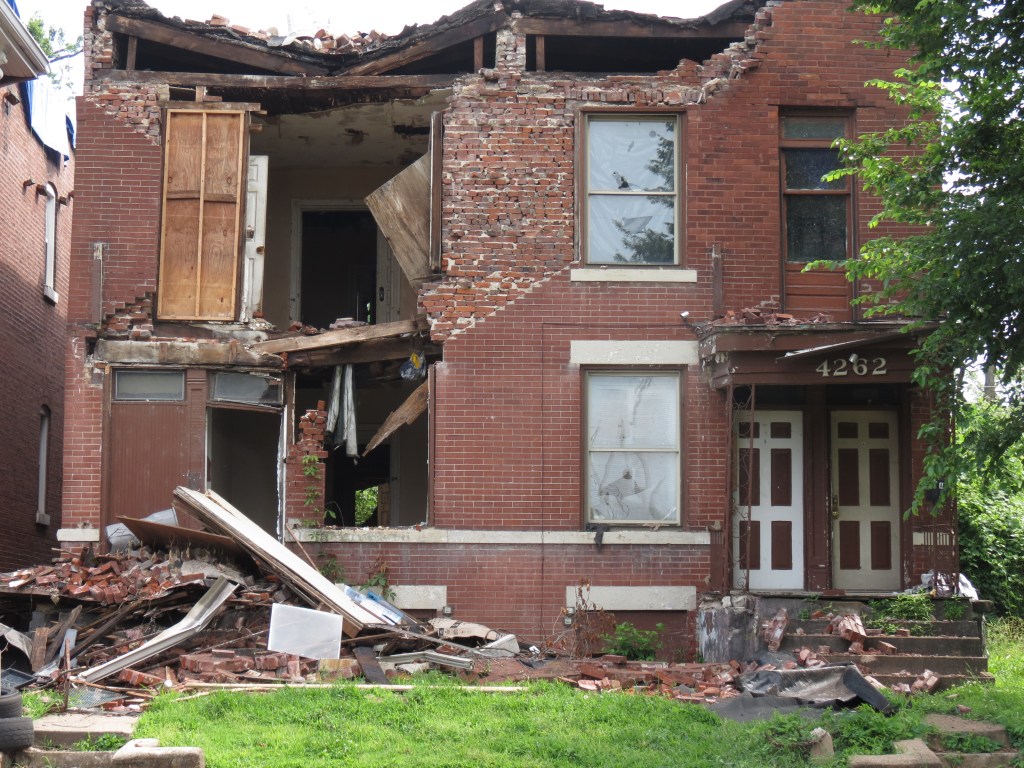
Stop. Don’t clean up yet. I know the urge to start removing debris is overwhelming, but your insurance adjuster needs to see the damage exactly as the tornado left it. Take photos of:
- Every room from multiple angles
- Individual damaged items, even if they look like total losses
- Your home’s exterior from all sides
- Your roof (if safely accessible)
- Damaged vehicles, outbuildings, and landscaping
- Any standing water or flooding
Use your phone’s timestamp feature or a camera with date stamps. Take way more photos than you think you need – I took over 500 photos and used most of them.
What to Document Beyond Photos
Create a detailed inventory of everything you’ve lost. Include:
- Item descriptions and approximate age
- Purchase dates and prices (if you remember)
- Model numbers and serial numbers when possible
- Receipts if you can find them (check email for online purchases)
Write down your story while it’s fresh. Note the time the tornado hit, what you experienced, and the sequence of damage. This narrative can be crucial for your claim.
Calling Your Insurance Company
Call as soon as possible – don’t wait days or weeks. Here’s what to have ready:
- Your policy number
- A safe callback number (your cell if your landline is damaged)
- A basic description of the damage
- Photos ready to email if they request them
Ask important questions:
- What’s my deductible?
- Do I have replacement cost or actual cash value coverage?
- Are there any coverage limits I should know about?
- How long do I have to file my claim?
- What temporary living expenses are covered?
Working with Adjusters
Be present when the adjuster visits, if possible. Walk through the damage together and point out things they might miss. Don’t be afraid to ask questions or request explanations.
Keep detailed records of every conversation, including names, dates, and what was discussed. Follow up important conversations with emails summarizing what was said.
The Hard Truth About Insurance
Your insurance company isn’t your enemy, but they’re not your best friend either. They have a job to do, and sometimes that means offering less than you deserve. Don’t accept the first offer without reviewing it carefully. You have the right to question their assessment and provide additional documentation.
Know your rights: Most states give you time to review settlements and negotiate. Don’t let anyone pressure you into signing immediately.
Getting Help When You Need It
If you’re feeling overwhelmed or your claim is being denied or undervalued, consider:
- Hiring a public adjuster (they work for you, not the insurance company)
- Consulting with an attorney who specializes in insurance claims
- Contacting your state’s insurance commissioner’s office
Words of Encouragement
I won’t lie – dealing with insurance after tornado damage is exhausting and frustrating. Some days, I felt like I was fighting the storm all over again. But every photo we took, every receipt we found, every phone call my wife made was a step toward getting our life back to normal.
You’re not just filing a claim – you’re advocating for your future. Take your time, ask questions, and don’t settle for less than you deserve. Your home, your belongings, your sense of security – they all have value, and you have every right to fight for that value.
Remember: this process is temporary, but getting it right will impact your recovery for years to come. You’ve already survived the worst part. You can handle this too.
Have questions about the insurance process? Drop them in the comments below. We’re all in this together, and I’ll do my best to help based on what I learned during my own recovery.
 From Rubble to Rise
Leave a comment